
Transfer Speed, Cost, and File Retention for Cloud Storage, Direct Downloads, and Torrents Used to Share Large Public Files
Distributing a massive digital archive – whether a 50 GB open-source dataset, a public domain media collection, or a software mirror – requires more than simply uploading a folder to the internet. System administrators often encounter severe bottlenecks when attempting to distribute large files efficiently. Uncalculated traffic spikes can crash web servers, surprise bandwidth egress bills can drain budgets, and improper version control can leave users downloading corrupted or obsolete data.
A successful public distribution strategy demands a structured architectural pipeline. Evaluating transfer speeds, bandwidth economics, file retention policies, and legal compliance before release ensures that massive files remain accessible, verifiable, and cost-effective over the long term.
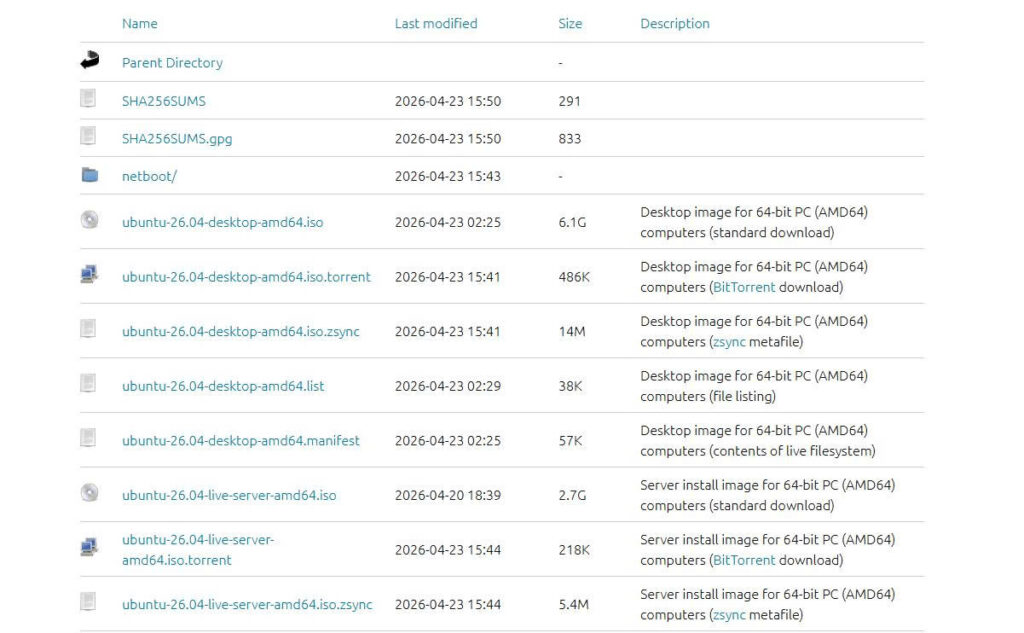
Transfer Speed Dynamics Based on File Structure and Protocol
Network throughput is heavily influenced by the internal structure of the archive and the protocol used for delivery. Transferring 50 GB as a single compressed archive behaves very differently than transferring 50,000 individual 1 MB files.
Latency and I/O Overhead in Multi-File Transfers
When distributing thousands of uncompressed small files directly from a web server or cloud bucket, the transfer speed drops significantly due to I/O (Input/Output) overhead and TCP connection handshakes for each individual file. To maximize transfer speeds over HTTP/HTTPS, administrators should bundle small files into a single .tar or .zip archive.
Direct Download versus P2P Swarm Performance
Transfer speeds also fluctuate dramatically based on user demand and the chosen protocol:
| Distribution Method | Low User Concurrency (1-10 Users) | High User Concurrency (1000+ Users) |
| Direct Web Server / Cloud HTTP | Maximum available server speed | Extreme bottlenecking; potential server crash unless load-balanced |
| BitTorrent (P2P Swarm) | Slow initial transfer (relies heavily on the original seeder) | Maximum speed efficiency; users seed to each other, accelerating the swarm |
Bandwidth Economics and Storage Infrastructure Costs
Calculating the total cost of distribution requires distinguishing between static storage fees and dynamic bandwidth egress costs. A 50 GB file costs pennies to store but can incur thousands of dollars in fees if downloaded globally.
Cost Structures Across Hosting Architectures
Administrators must forecast traffic to prevent budget overruns when free tiers are exceeded.
- Cloud Object Storage (AWS S3, Google Cloud): Charges a low monthly fee for storage capacity, but exacts a high premium for outbound bandwidth (egress fees) per gigabyte transferred.
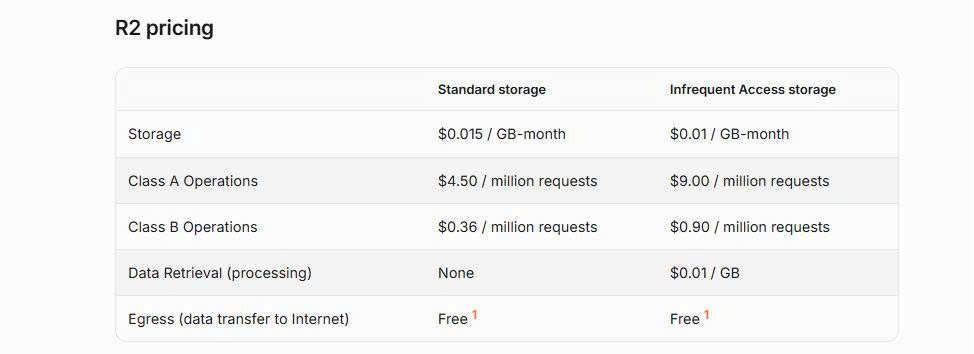
- Zero-Egress Cloud Solutions (Cloudflare R2): Eliminates outbound bandwidth charges, billing only for base storage capacity and API operational requests (PUT/GET commands).
- Self-Hosted Dedicated Servers: Provides a flat monthly fee for a fixed bandwidth allocation (e.g., 10 TB/month). Exceeding this limit usually results in aggressive overage charges or severe speed throttling by the hosting provider.
- BitTorrent (Torrent Seeding): Incurs near-zero bandwidth costs for the publisher once the initial swarm is established, transferring the bandwidth burden to the peer network.
File Retention Lifecycles and Deletion Triggers
The longevity of a public file depends on the platform’s retention policies and network persistence.
Retention Conditions Across Platforms
- Cloud and Direct Servers: Files remain accessible as long as the hosting bill is paid. Upon account termination, data is permanently destroyed.
- Free File Hosting Services: Often employ inactivity timers. If a file is not downloaded within a specific period (e.g., 30 or 90 days), the link expires and the file is deleted automatically.
- BitTorrent Swarms: Torrent files cannot be deleted by the original publisher. The file remains accessible as long as at least one peer actively seeds the complete data. Conversely, if all seeders drop offline, the file becomes permanently inaccessible (“dead torrent”).
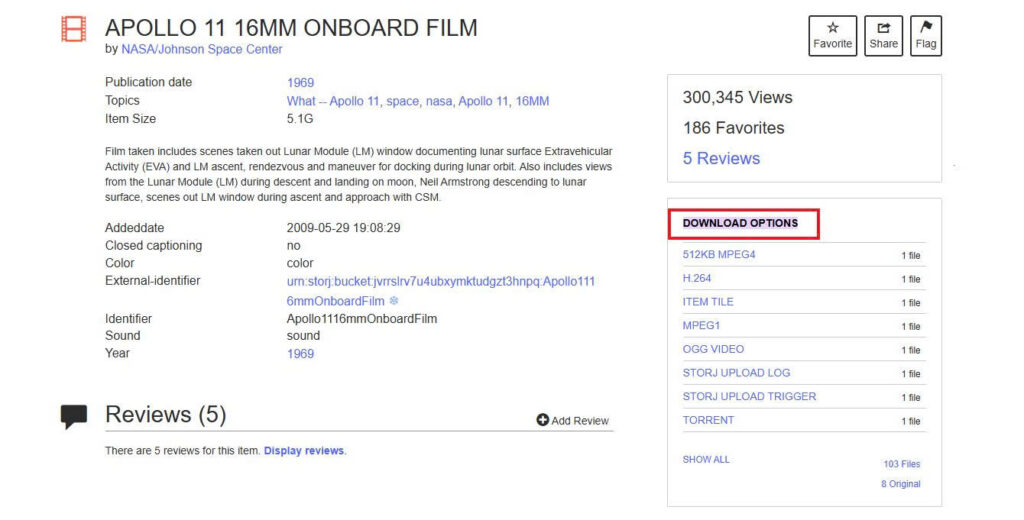
For materials requiring permanent public preservation, administrators should utilize non-profit institutions like the Internet Archive, which provide permanent identifiers and official mirrors without expiration timers.
Data Integrity Verification and Version Control
Multi-gigabyte downloads over unstable network connections frequently suffer from silent packet corruption. Furthermore, as datasets evolve, distinguishing between old and new releases is critical.
Checksums and Cryptographic Validation
Every massive archive must be distributed alongside a cryptographic hash manifest (e.g., CHECKSUM.sha256). Upon completion of the download, users can execute a simple terminal command (sha256sum -c CHECKSUM.sha256) to verify that the downloaded package matches the publisher’s original master file exactly, ensuring zero corruption.
Release Numbering and Torrents Versioning
When releasing a revised dataset (e.g., updating from Version 1.0 to Version 1.1), version control protocols differ by platform:
- Direct Links: Administrators can simply replace the file on the server or maintain structured directory paths (/v1/, /v2/).
- BitTorrent: Any internal modification to an archive alters its cryptographic info-hash entirely. Publishers must generate and distribute a brand-new .torrent file for Version 1.1 and recruit new initial seeders, while the Version 1.0 torrent remains active in the wild.
Copyright Audits and Private Data Sanitization
Public availability on the internet does not grant inherent redistribution rights. Legal and privacy oversights can trigger swift DMCA takedowns or severe data breaches.
License Restrictions and Embedded Manifests
Before allocating cloud storage, administrators must verify the license of every bundled file. If an archive mixes Public Domain (CC0) content with restricted Non-Commercial (CC BY-NC) material, the entire package may be disqualified from commercial hosting platforms. Every archive must include a top-level LICENSE.txt file explicitly detailing downstream usage rights.
Privacy Exfiltration Checks
Massive data scrapes and developer repositories often contain accidental private data. Before compressing the final archive for distribution, administrators must execute a strict sanitization audit to ensure that .env files, API access keys, internal passwords, and personal contact information are permanently scrubbed from the dataset.